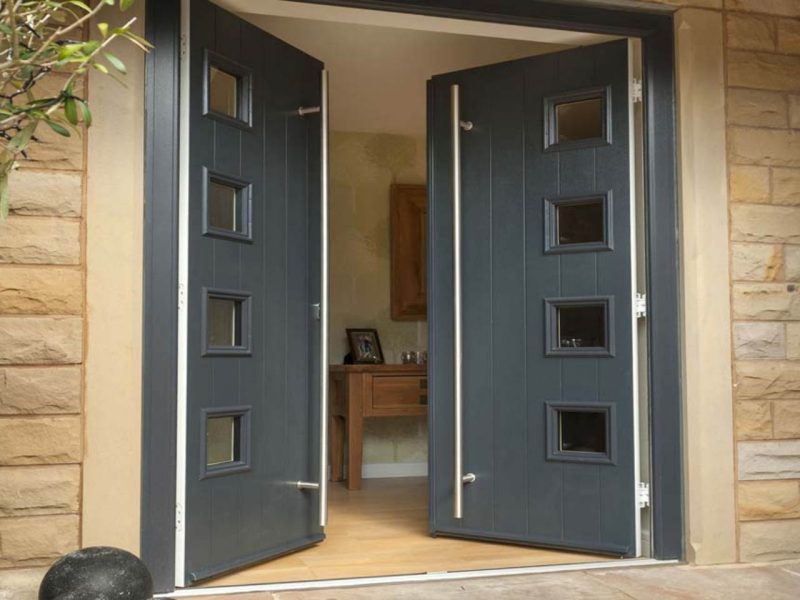

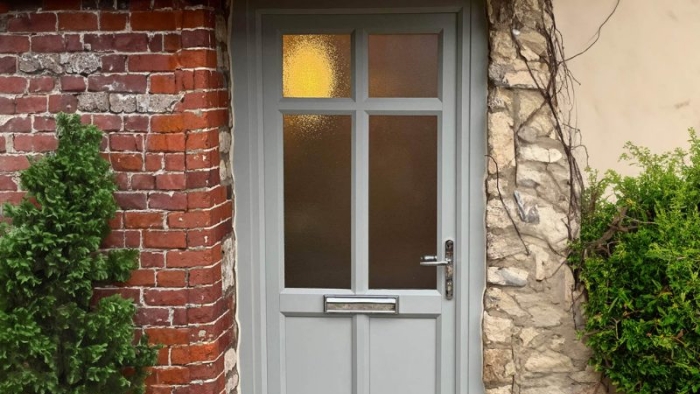
Choosing the Right Door for Autumn: Composite vs uPVC
As autumn approaches, bringing with it cooler temperatures and changing weather, many homeowners begin to consider how to enhance their home’s thermal efficiency.
At DL Windows, we understand the importance of choosing the right door to not only improve home insulation but also maintain security and durability. Today, we’re delving into the details of composite doors and uPVC doors, two popular choices among homeowners, to assist you in making an informed decision.
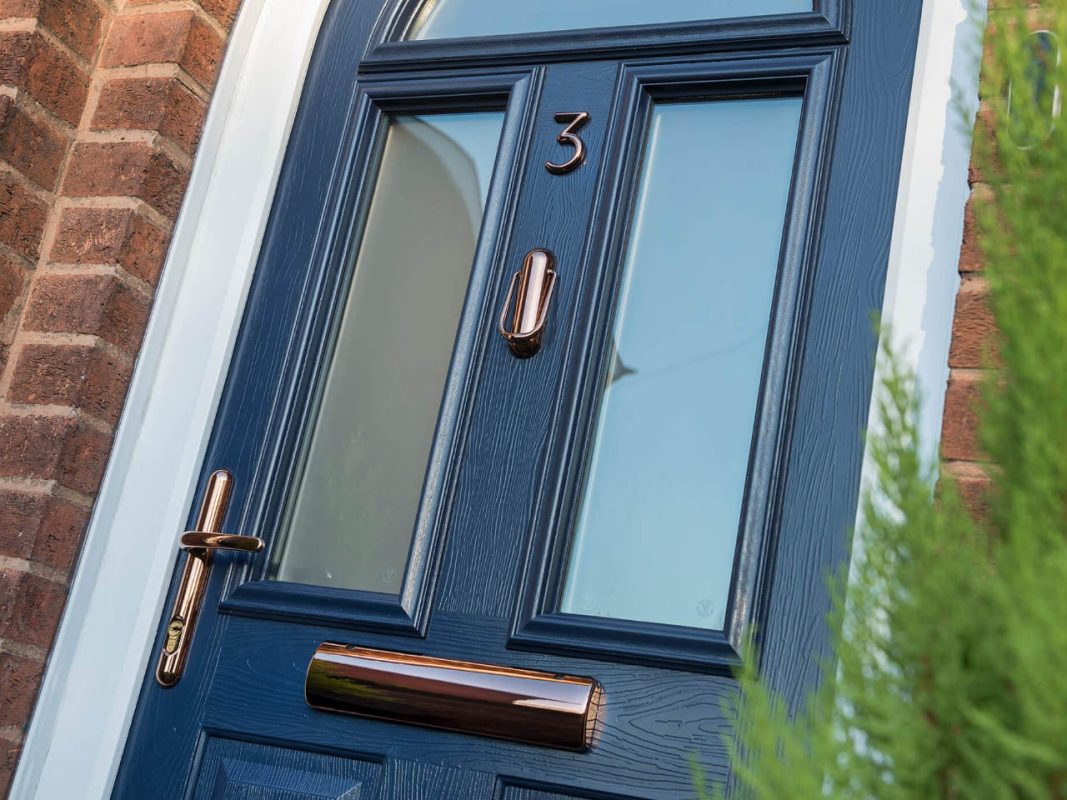
Understanding Composite Doors
Composite doors are renowned for their robust structure and superior insulation properties. These doors are constructed from various materials, including PVC, wood, insulating foam, and GRP (glass-reinforced plastic). This combination ensures that the doors are not only strong and secure but also have excellent thermal properties.
One of the advantages of composite doors is their thickness, typically around 44mm, which provides better insulation compared to uPVC doors. This makes them a superior choice for thermal efficiency, ensuring that your home stays warm during the chilly autumn months. Moreover, composite doors are designed to look like traditional wooden doors, offering a range of finishes and colours, allowing you to personalise your entrance without sacrificing style.
If you’re considering upgrading to a composite door, visiting our [composite doors](https://www.dl-windows.co.uk/doors/composite-doors/) page can provide you with more detailed information and the variety of options available.
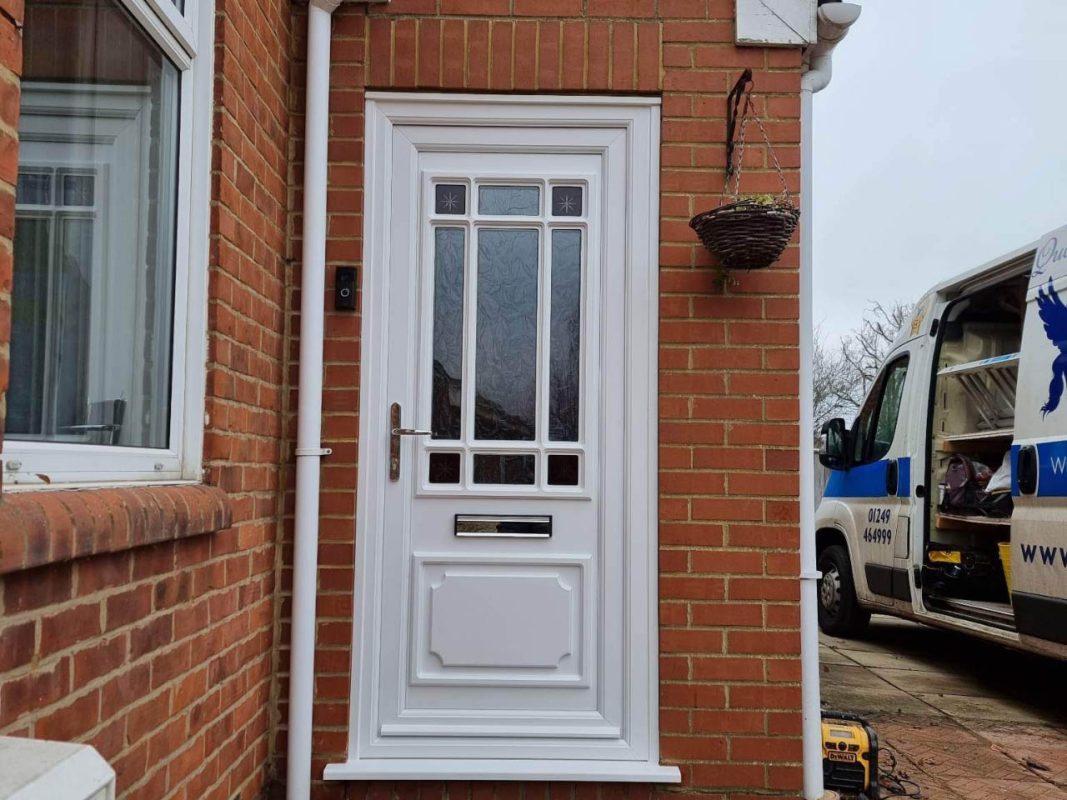
Understanding uPVC Doors
uPVC doors, made from unplasticised polyvinyl chloride, are a cost-effective and popular choice for homeowners. They require minimal maintenance and provide a decent level of insulation and security. uPVC doors are generally lighter than composite doors and offer excellent resistance to weathering, will not warp or rot, and are also available in a variety of finishes and styles.
While uPVC doors are less expensive than composite doors, their thermal efficiency is generally lower due to their construction materials and the fact they are often not as thick, usually around 28mm. However, modern advancements have led to improvements in the thermal properties of uPVC doors, making them a more competitive option in terms of energy efficiency.
Which Door Suits You Best This Autumn?
The choice between a composite door and a uPVC door often comes down to personal preference, budget, and specific home needs. If thermal efficiency and security are your top priorities, composite doors may be the better option due to their superior insulation and robust construction. For homeowners looking for a cost-effective, low-maintenance solution that still offers good insulation, uPVC doors are an excellent choice.
Moreover, choosing a door isn’t just about practical benefits; it’s also about enhancing the aesthetic appeal of your home. Both door types come in various styles and colours, so you can select one that best fits your home’s design.
Deciding on the right door involves considering several factors, including thermal efficiency, security, style, and budget. At DL Windows, we are committed to helping you find the perfect door that meets your needs and preferences.
Remember, investing in a good quality door not only enhances your home’s thermal efficiency but also its security and overall value.
Make sure to consider all aspects to choose the best option for your home this autumn. If you’re looking for more information or wish to view our diverse door selection, take a look on our website at the variety we offer, especially our comprehensive range on composite doors. For homeowners in Somerset, patio doors are another option worth considering, offering a practical way to bring more natural light into the home while providing easy access to outdoor spaces. Get in touch now, your perfect door awaits.

Throughout his career, Adam has developed extensive expertise in window and door solutions, including energy efficiency, security, design, and installation best practices. Known for his straightforward and honest approach, he is able to turn technical detail into clear, practical advice, guiding customers toward the most suitable choices for their homes.
By combining hands-on industry knowledge with a strong customer-first mindset, Adam plays an important role in maintaining DL Windows’ reputation for quality, reliability, and excellent service.
- How to Know if Your Double Glazing Needs Replacing - 24 September 2026
- Choosing the Right Door for Autumn: Composite vs uPVC - 13 August 2026
- Why It Is Important to Replace Your Conservatory Roofs - 15 July 2026